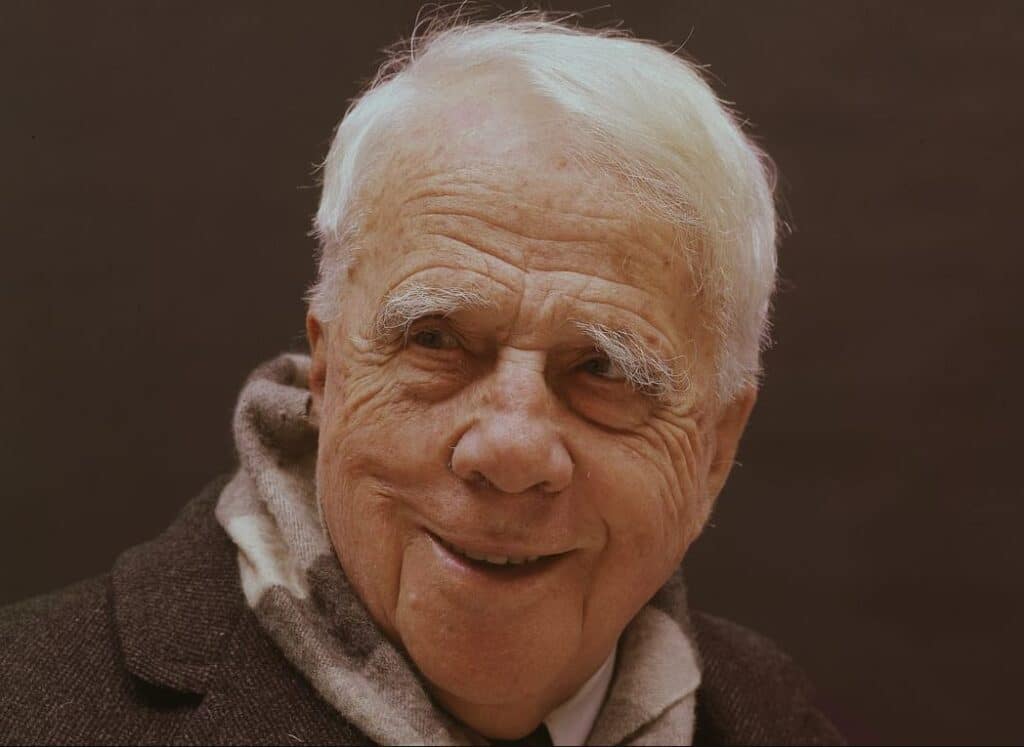
Introduction: The Poet Who Found Depth in Simplicity
Robert Frost stands as one of the most influential poets in American literary history. Known for his deceptively simple language and rural imagery, Frost transformed everyday experiences into profound reflections on life, choice, and human nature. His success was not instant or effortless it was shaped by rejection, perseverance, and an unwavering belief in his poetic voice.
Early Life: A Childhood Marked by Change
Robert Lee Frost was born on March 26, 1874, in San Francisco, California. After his father’s sudden death, Frost’s family moved to Massachusetts, where rural life and New England landscapes would later inspire much of his poetry. From a young age, he showed a deep love for reading and writing, but his academic journey was inconsistent, marked by brief enrollments at Dartmouth College and later Harvard, neither of which he completed.
Struggles and Rejections: Years of Uncertainty
Before achieving recognition, Frost endured years of personal and professional hardship. He worked as a farmer, teacher, and laborer while continuing to write poetry that was often rejected by publishers. Financial instability and self-doubt followed him, yet he refused to abandon his passion. These years of struggle shaped his understanding of perseverance an element that subtly echoes throughout his work.
Breakthrough in England: A Turning Point
In 1912, Frost made a bold decision to move to England with his family. This move proved transformative. In England, his poetry gained attention, and he published his first major collections, A Boy’s Will and North of Boston. The literary community began to recognize his distinctive voice one that blended traditional poetic forms with modern themes.
Return to America: Recognition and Respect
Upon returning to the United States, Frost was no longer an unknown poet. His work was widely celebrated, and he began teaching at prestigious institutions while continuing to write. Poems like The Road Not Taken, Stopping by Woods on a Snowy Evening, and Mending Wall became timeless classics, admired for their layered meanings and philosophical depth.
Awards and Honors: A Legacy Sealed
Robert Frost achieved a rare feat by winning four Pulitzer Prizes for Poetry, a testament to his enduring impact on American literature. In 1961, he was invited to read a poem at the inauguration of President John F. Kennedy, further cementing his status as a national literary icon.
Themes and Philosophy: Lessons Beyond Poetry
Frost’s poetry often explored themes of choice, isolation, nature, and human responsibility. Beneath the calm imagery of woods, roads, and stone walls lay complex questions about life’s direction and moral decisions. His work teaches readers that simplicity can carry deep wisdom and that ordinary moments often hold extraordinary meaning.
Conclusion: A Success Forged Through Persistence
Robert Frost’s success story is not merely about fame or awards it is about resilience, patience, and faith in one’s craft. He proved that success can arrive quietly and late, but with lasting impact. Through his words, Frost continues to guide readers toward reflection, reminding us that even the simplest paths can lead to greatness.
About the Author