A Regional Conflict Moves Toward a Wider War
The fourth day of coordinated military operations by the United States and Israel against Iran marks a turning point in the Middle East security landscape. What began as targeted strikes against Iranian military and nuclear infrastructure has rapidly expanded into a multi-theatre confrontation affecting Gulf states, global energy routes, and strategic military bases across the region.
Iran’s retaliation has been swift and geographically broad. Tehran has launched missile and drone attacks against US and allied assets while announcing the closure of the Strait of Hormuz, one of the world’s most critical oil shipping corridors. The result is a rapidly escalating conflict with significant geopolitical and economic implications.
Strikes Inside Iran
Strategic Targets in Tehran
Recent attacks in Tehran have struck symbolic and state infrastructure. Among the damaged sites is the headquarters of Islamic Republic of Iran Broadcasting, the country’s main state media network.
Strikes also damaged the historic Golestan Palace, a UNESCO World Heritage Site that represents one of Iran’s most significant cultural landmarks.
The attacks highlight a broader strategic approach. Rather than focusing exclusively on military facilities, the campaign appears designed to disrupt state authority and communication networks.
Heavy Casualties and Leadership Loss
Iranian state media reported that the death toll has reached at least 787 people. Among those killed is Ali Khamenei, Iran’s long-serving supreme leader.
The death of Khamenei introduces a new dimension to the conflict. Leadership transitions in Iran are historically complex and politically sensitive. In wartime conditions, the power struggle that may follow could affect the direction of Iran’s military and diplomatic response.
Closure of the Strait of Hormuz
The Islamic Revolutionary Guard Corps announced the closure of the Strait of Hormuz, warning that any vessel attempting to pass through could face attack.
Global Energy Implications
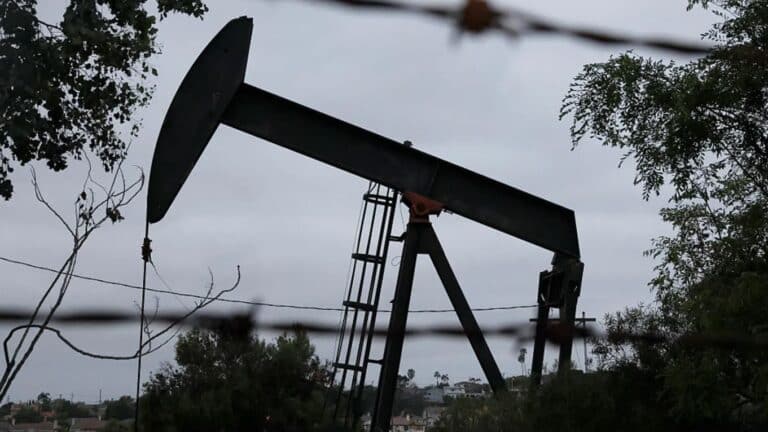
The strait handles roughly one fifth of the world’s oil shipments. Any disruption threatens global energy markets, shipping routes, and supply chains.
Energy analysts warn that even a temporary blockade could push oil prices sharply higher while forcing international naval forces to intervene in order to secure maritime traffic.
Gulf States Caught in the Crossfire
Escalation in Qatar
In Doha, air defense systems intercepted multiple Iranian missiles and drones aimed at Al Udeid Air Base, the largest US military installation in the Middle East.
Two missiles reportedly struck the base while a drone damaged an early warning system. Qatar’s air force also shot down two Iranian jets approaching its airspace.
The conflict has forced QatarEnergy to halt production temporarily, an unprecedented move for the world’s largest exporter of liquefied natural gas.
Incidents in Kuwait and Saudi Arabia
In Kuwait, three US fighter jets crashed during the escalating tensions. The aircraft involved included the F‑15E Strike Eagle, a key platform used by the US Air Force.
Meanwhile Saudi Arabia intercepted several drones near Riyadh and Al‑Kharj Governorate. Drone strikes also triggered a fire near the Embassy of the United States in Riyadh, prompting its temporary closure.
These incidents highlight the vulnerability of Gulf states that host US forces and strategic infrastructure.
Iran’s Strategy of Regional Pressure
Iran’s retaliation reflects a well-established strategic doctrine. Instead of confronting the United States directly on a single battlefield, Tehran applies pressure across multiple theaters simultaneously.
This approach aims to increase the cost of the conflict for Washington and its allies by threatening military bases, energy facilities, and diplomatic missions across the region.
Countries now experiencing spillover effects include
- Qatar
- Kuwait
- Saudi Arabia
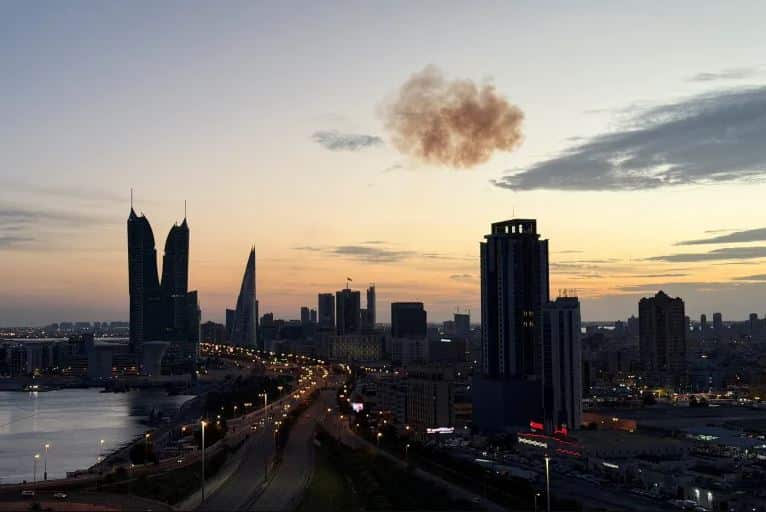
- Bahrain
- United Arab Emirates
The broader implication is that the Middle East conflict is no longer limited to Israel and Iran. It now involves a network of military installations and strategic alliances.
Israel’s Defensive Operations
Israel continues to intercept incoming missiles launched from Iran and allied groups.
Prime Minister Benjamin Netanyahu defended the operation, arguing that Iranian underground nuclear facilities were approaching a stage where they would become immune to attack.
Israeli air defenses remain active across the country as missile alerts continue to trigger across multiple regions.
Washington’s Strategic Objectives
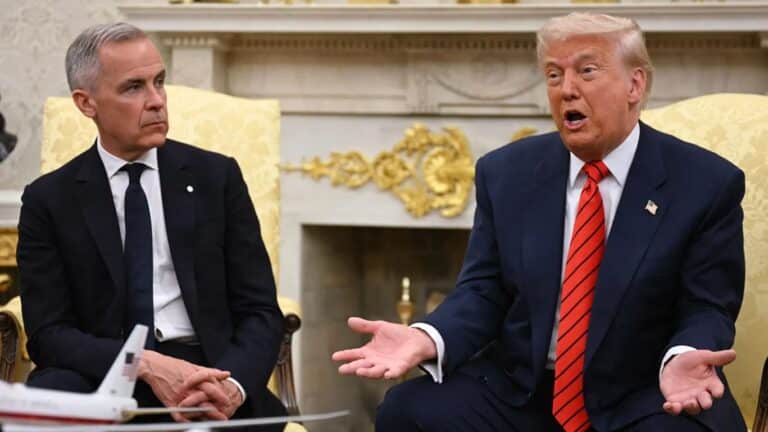
President Donald Trump has indicated that US military operations will continue until Washington’s objectives are achieved.
US Secretary of State Marco Rubio warned that the “hardest hits” against Iran are still ahead, signaling that the campaign may intensify in the coming days.
Meanwhile Vice President JD Vance said the goal is to ensure Iran can never develop nuclear weapons while avoiding a prolonged multi-year war.
The United States has also urged its citizens to leave several Middle Eastern countries due to escalating security risks.
Strategic Outlook
The conflict has entered a volatile phase where multiple escalation pathways exist.
First, continued attacks on Gulf energy infrastructure could trigger a global economic shock.
Second, direct attacks on US bases may draw Washington deeper into the war.
Third, instability inside Iran following the death of its supreme leader could create unpredictable political dynamics.
Each factor increases the probability that the conflict evolves from a limited military campaign into a broader regional war.
About the Author