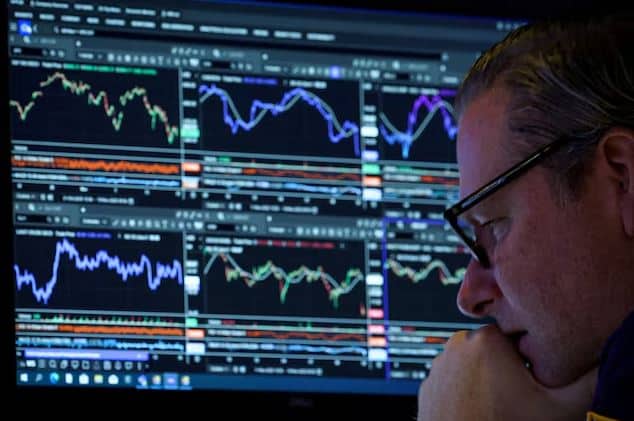
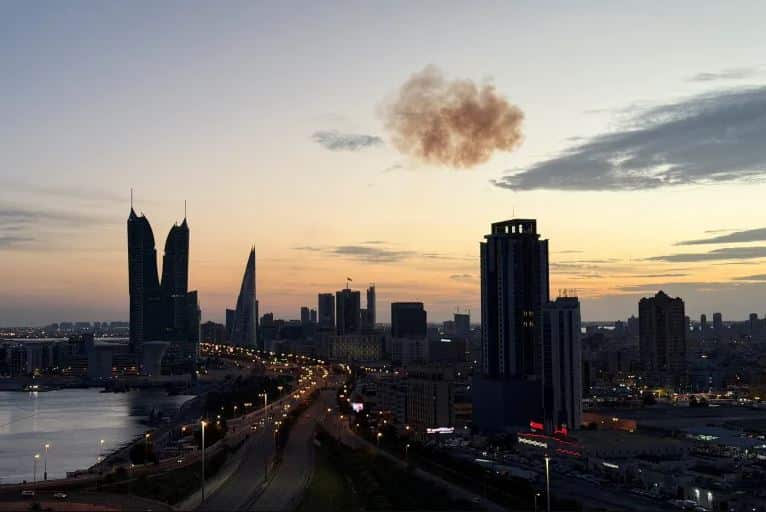
European equity markets traded slightly lower on Thursday as investors weighed the economic impact of the Iran war, volatile energy prices, and renewed U.S. trade scrutiny of global partners. The modest decline came even after the International Energy Agency announced an unprecedented oil reserve release intended to calm markets.
The reaction highlights how geopolitical risk and supply concerns continue to dominate investor sentiment across global financial markets.
Why European Markets Declined
The pan-European STOXX Europe 600 opened about 0.5 percent lower before trimming losses to trade roughly 0.2 percent down by midday in London. The decline reflected cautious trading as investors assessed the implications of rising oil prices and potential economic spillovers from the Middle East conflict.
Major European indexes also traded lower:
- CAC 40 fell 0.37 percent
- FTSE MIB declined 0.52 percent
- FTSE 100 slipped 0.28 percent
- DAX index edged down 0.07 percent
- IBEX 35 dropped 0.98 percent
Banking stocks weighed most heavily on the regional benchmark as investors questioned lenders’ exposure to Middle Eastern financial systems and energy markets.
Meanwhile, chemical, industrial, and mining companies posted modest gains as commodity prices strengthened.
Why Oil Prices Are Rising Despite Strategic Reserve Releases
Energy markets remain the central driver behind the latest market volatility.
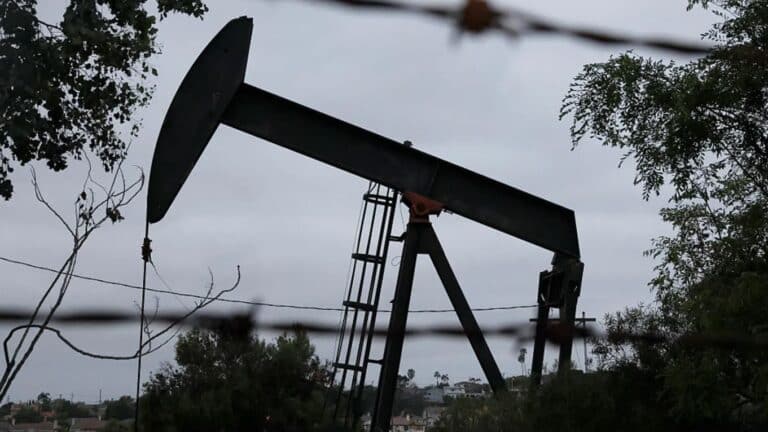
Brent crude surged above $100 per barrel overnight, marking the first time prices have crossed that threshold since the global shock following the Russia-Ukraine conflict in 2022.
The International Energy Agency announced plans to release 400 million barrels of strategic reserves to offset supply disruptions linked to the Iran conflict. However, the agency did not specify a clear timeline for the release, stating that each of its 32 member countries would determine appropriate timing.
Traders remain skeptical that the move will fully offset potential disruptions in global supply chains, particularly shipments passing through the Strait of Hormuz.
Energy analysts note that roughly one-fifth of global oil supply moves through that critical shipping route, making it one of the most sensitive geopolitical chokepoints in global trade.
How U.S. Trade Policy Is Adding Pressure
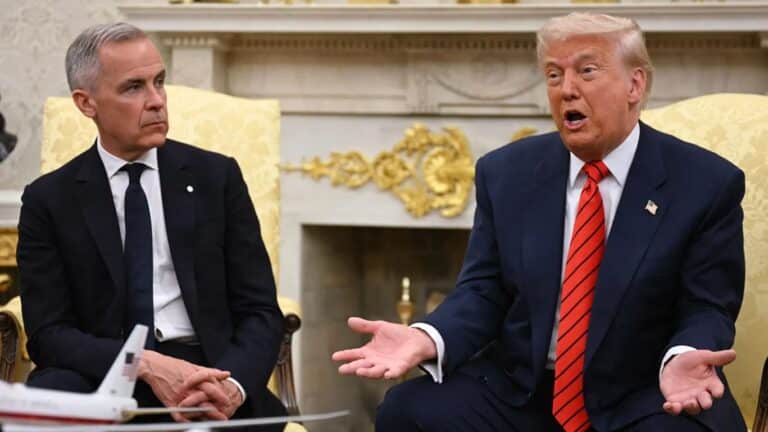
Market caution also intensified after the Trump administration launched new trade investigations targeting the European Union and more than a dozen other economies.
The probes will be conducted under Section 301 of the U.S. Trade Act of 1974, a legal tool that allows Washington to impose tariffs if trading partners are found to engage in unfair trade practices.
For investors, the move revives fears of a broader trade dispute between the United States and Europe at a time when global supply chains are already under stress.
Which European Companies Are Moving the Market
Leonardo Surges on Strong Earnings
Italian defense contractor Leonardo emerged as one of the top performers in European markets.
Shares jumped about 7 percent after the company reported stronger-than-expected revenue of 19.5 billion euros and a net profit of 1 billion euros for the year, representing a 19 percent increase from the previous year.
The company forecast revenue growth to approximately 21 billion euros in the coming year and set an ambitious long-term target of 30 billion euros in revenue by 2030.
Abivax Gains on Takeover Speculation
French biotechnology company Abivax rose roughly 13 percent after renewed takeover speculation surfaced in the market.
Industry reports suggested potential interest from pharmaceutical giant AstraZeneca. Earlier speculation had linked Eli Lilly to a possible acquisition, although both companies have declined to comment.
The biotech firm gained investor attention last year after releasing promising clinical data for a late-stage ulcerative colitis treatment.
BMW Flags Tariff Risks
German automaker BMW reported annual net profit exceeding 7 billion euros, slightly above market expectations.
However, the company warned that new tariffs and trade pressures could reduce operating margins in its automotive division by roughly 1.25 percentage points this year.
BMW shares traded largely flat, while the broader European auto sector fell more than 1 percent.
HSBC Falls on Middle East Exposure Concerns
HSBC shares dropped about 5 percent after the bank announced it would close its Qatar branches indefinitely.
The decision followed threats from Tehran to target economic and banking assets linked to the United States and Israel after an attack on an Iranian bank.
Investors interpreted the move as a sign that geopolitical tensions could disrupt financial operations across the Gulf region.
Savills Drops After Major Acquisition
UK real estate firm Savills reported strong earnings with profit before tax rising 11 percent to £145 million.
The company also announced a $1.1 billion acquisition of U.S. real estate investment bank Eastdil Secured as part of its strategy to expand its presence in the American property market.
Despite the positive earnings, Savills shares fell more than 7 percent as investors evaluated the financial implications of the acquisition.
What Investors Are Watching Next
Market participants are closely monitoring three key developments:
- The duration and intensity of the Iran conflict and its impact on oil supply routes
- Whether strategic reserve releases can stabilize energy prices
- Potential escalation in U.S. trade investigations and tariff actions
Together, these factors will shape investor confidence across equity, commodity, and currency markets in the coming weeks.
About the Author