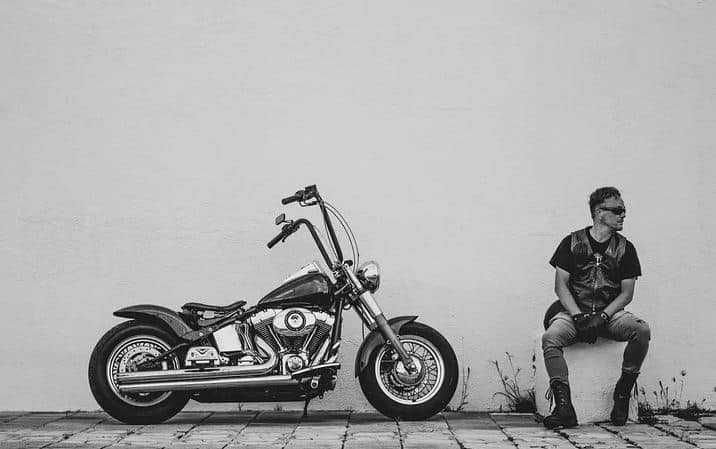
Harley-Davidson is more than a motorcycle brand it is a cultural symbol of freedom, rebellion, and the open road. From its humble beginnings in a backyard shed to becoming one of the most recognizable motorcycle brands in the world, Harley-Davidson’s journey is a powerful story of innovation, resilience, and identity.
This article explores the complete brand story of Harley-Davidson, tracing its evolution from 1903 to the present day.
The Birth of Harley-Davidson: A Dream Forged in 1903
Harley-Davidson was founded in 1903 in Milwaukee, Wisconsin, by William S. Harley and brothers Arthur, Walter, and William Davidson. What started as a small experiment to build a motorized bicycle in a wooden shed quickly turned into something revolutionary.
Their first motorcycles were simple but practical, designed to handle rough American roads. Even in its earliest days, Harley-Davidson focused on durability, performance, and mechanical authenticity, values that continue to define the brand today.
Key takeaway: Harley-Davidson was born from engineering passion, not luxury or glamour.
Early Growth and Innovation: Powering Ahead in the 1910s
By 1910, Harley-Davidson introduced its iconic bar-and-shield logo, marking the beginning of strong brand identity. The company rapidly expanded production and began supplying motorcycles to police departments and the U.S. military.
In World War I, nearly one-third of Harley-Davidson motorcycles were used by the U.S. Army. This cemented the brand’s reputation for ruggedness and reliability.
Building Trust Through Performance
- Strong engines
- Reliable mechanics
- Easy maintenance
These qualities helped Harley-Davidson outpace competitors and become America’s largest motorcycle manufacturer by 1920.
Surviving the Great Depression and World War II
The Great Depression wiped out many motorcycle manufacturers, but Harley-Davidson survived by staying focused on quality and loyal customers.
During World War II, the company again supplied motorcycles to the U.S. military, producing over 90,000 bikes for war efforts. These machines symbolized strength and endurance traits that later shaped Harley’s tough, rebellious image.
The Rise of the Rebel Image: 1950s–1960s
After World War II, returning soldiers sought freedom and adrenaline. Harley-Davidson motorcycles became synonymous with the open road and non-conformity.
Hollywood played a major role in shaping this image. Films featuring motorcycle clubs and outlaw riders gave Harley-Davidson a raw, rebellious aura even though the brand never officially promoted outlaw culture.
Turning Perception into Power
Instead of distancing itself, Harley-Davidson leaned into the emotional appeal:
- Freedom
- Brotherhood
- Individualism
This emotional branding set Harley apart from purely functional motorcycle brands.
Challenges and Reinvention: The AMF Era (1970s)
In 1969, Harley-Davidson was acquired by AMF (American Machine and Foundry). While production increased, quality suffered. Japanese manufacturers like Honda, Yamaha, and Suzuki entered the market with more affordable and reliable bikes.
This period became one of the toughest chapters in Harley-Davidson’s history.
The Legendary Comeback: Back to Its Roots in the 1980s
In 1981, a group of Harley-Davidson executives bought the company back from AMF. This moment marked a turning point.
The brand returned to its core values:
- Craftsmanship
- American manufacturing
- Premium positioning
Harley-Davidson also pioneered community-driven branding, launching the Harley Owners Group (H.O.G.), which transformed customers into lifelong brand ambassadors.
Harley-Davidson as a Lifestyle Brand
By the 1990s and 2000s, Harley-Davidson had evolved beyond motorcycles.
Expanding the Brand Universe
- Apparel and merchandise
- Accessories and customization
- Harley-themed events and rallies
Owning a Harley was no longer just about transportation it became a lifestyle choice.
The company mastered emotional marketing, selling not horsepower, but heritage and belonging.
Going Global While Staying American
Harley-Davidson expanded into Europe, Asia, and emerging markets while carefully protecting its American identity. Its marketing consistently highlighted:
- U.S. heritage
- Handcrafted design
- Freedom-driven storytelling
This balance helped Harley maintain authenticity in a global marketplace.
Modern Era: Innovation Meets Tradition
In recent years, Harley-Davidson has faced new challenges:
- Aging customer base
- Electric vehicle disruption
- Sustainability expectations
Adapting Without Losing the Soul
To stay relevant, the brand introduced:
- Electric motorcycles (LiveWire)
- New models for younger riders
- Digital experiences and modern design updates
Despite innovation, Harley-Davidson continues to honor its classic DNA deep engine sounds, bold design, and rider culture.
Harley-Davidson Today: A Timeless Symbol of Freedom
Today, Harley-Davidson stands as one of the strongest legacy brands in the world. Its story proves that brands built on emotion, authenticity, and community can endure for over a century.
Harley-Davidson doesn’t just sell motorcycles it sells the idea of freedom, the romance of the road, and the power of individuality.
Conclusion: Why the Harley-Davidson Brand Story Matters
Harley-Davidson’s journey from a small shed in Milwaukee to a global cultural icon is a masterclass in branding. By staying true to its roots while embracing change, the brand has survived wars, recessions, competition, and technological shifts.
About the Author