Iran Requests Bilateral Talks with U.S. in Oman
Iran has requested that nuclear negotiations with the United States take place in Oman this Friday, according to sources. Tehran wants a bilateral U.S.-Iran format, excluding other regional countries. This approach could make U.S. diplomatic efforts with Arab nations more complicated.
The State Department has not confirmed the talks or their format. U.S. Special Envoy Steve Witkoff remains actively engaged in discussions.
Trump Balances Diplomacy with Military Readiness
President Donald Trump emphasizes diplomacy but has not ruled out military action. Last week, he announced that a “massive armada,” led by the USS Abraham Lincoln aircraft carrier, is heading toward Iran. This shows U.S. readiness for potential strikes.
White House Press Secretary Karoline Leavitt said, “President Trump wants to pursue diplomacy first, but it takes two to tango. You need a willing partner for diplomacy.” She added that all military options remain on the table.
Rising Tensions in the Strait of Hormuz
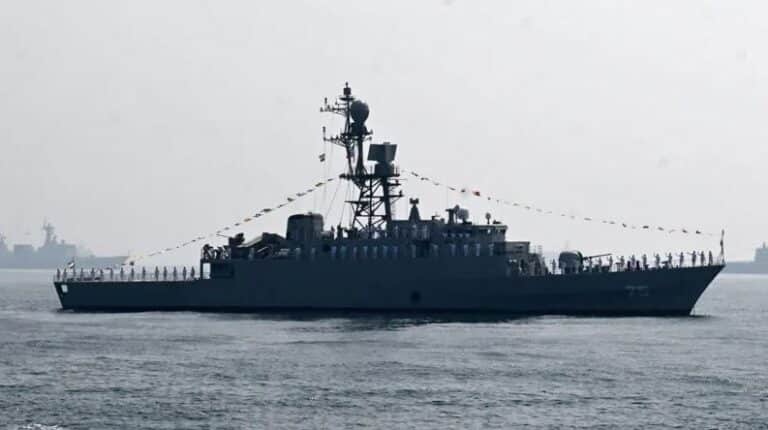
Tensions are escalating in the region. On Tuesday, six Iranian gunboats tried to board a U.S.-flagged oil tanker in the Strait of Hormuz. The attempt failed as the tanker sped away under U.S. Navy protection.
In another incident, a U.S. military aircraft shot down an Iranian drone that approached the USS Abraham Lincoln. No U.S. personnel or equipment were harmed.
Regional Diplomatic Efforts
While Iran prefers a bilateral format, other countries like Turkey, Saudi Arabia, and Qatar may mediate if talks expand. President Trump hopes that negotiations can prevent military escalation while addressing nuclear concerns.
Conclusion
Iran’s push for nuclear talks in Oman highlights the tension between diplomacy and military readiness. With incidents in the Strait of Hormuz and Iran seeking a more exclusive negotiation format, the coming days will be critical for U.S.-Iran relations. The U.S. prefers diplomacy, but military preparedness remains a key factor.
About the Author