Introduction
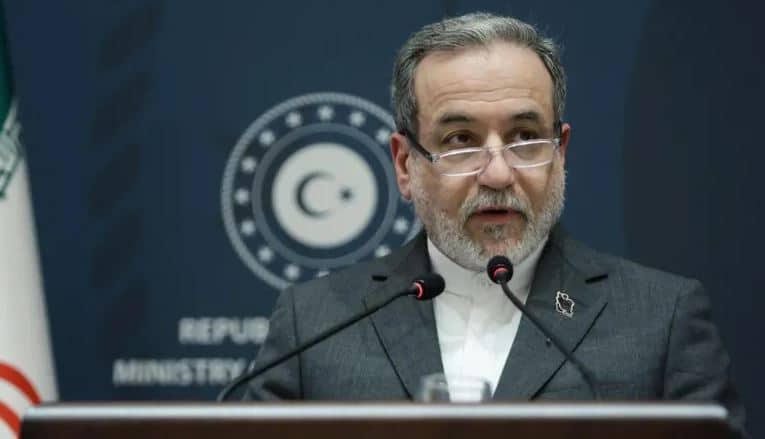
Iranian Foreign Minister Abbas Araghchi arrived in Geneva for the second round of high-stakes nuclear talks with the United States, aiming to reduce tensions and prevent a potential military confrontation. Araghchi emphasized that Iran seeks a fair and equitable deal while refusing to yield under threats. The negotiations follow the recent escalation of US military presence in the region, including the deployment of a second aircraft carrier.
Araghchi Meets IAEA Chief
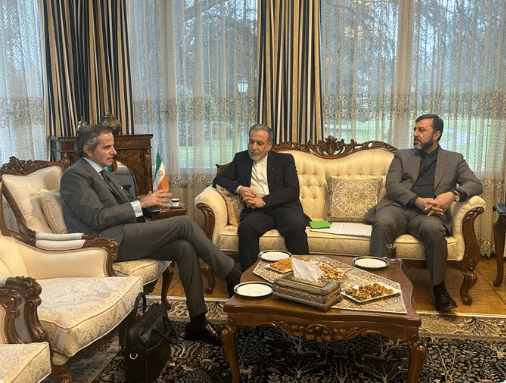
On arrival, Araghchi held a meeting with IAEA Director Rafael Grossi, highlighting the importance of technical discussions regarding Iran’s nuclear program. The International Atomic Energy Agency is seeking access to nuclear sites damaged during the 12-day conflict involving US and Israeli strikes. Tehran has requested strict protocols due to potential radiation risks. Iran insists that zero enrichment is off the table and its missile program remains a red line in the negotiations.
Omani Mediation and US Diplomacy
Araghchi also plans to meet his Omani counterpart, Badr bin Hamad al-Busaidi, who mediated the first round of talks. The US delegation, including special envoys Steve Witkoff and Jared Kushner, is engaging to avoid further escalation. Iranian officials stress that any inspection access must safeguard territorial integrity, nuclear scientists, and the peaceful use of nuclear energy under the NPT.
Military Drills and Regional Tensions
Amid diplomacy, the Islamic Revolutionary Guard Corps has conducted naval exercises in the Strait of Hormuz, coinciding with US naval buildup. The drills signal Iran’s readiness to defend strategic interests while warning against any potential concessions that could compromise its sovereignty. Hardliners in Tehran are closely monitoring the negotiations to ensure national security is maintained.
Conclusion
The Geneva talks between Iran and the US reflect a delicate balance between diplomacy and deterrence. While Iran seeks a fair deal, regional military posturing and internal political pressures make progress uncertain. The outcome will shape nuclear policy, regional security, and international diplomacy, highlighting the continued importance of multilateral negotiations in addressing global nuclear challenges.
About the Author