A Dramatic Turn in US–Venezuela Relations
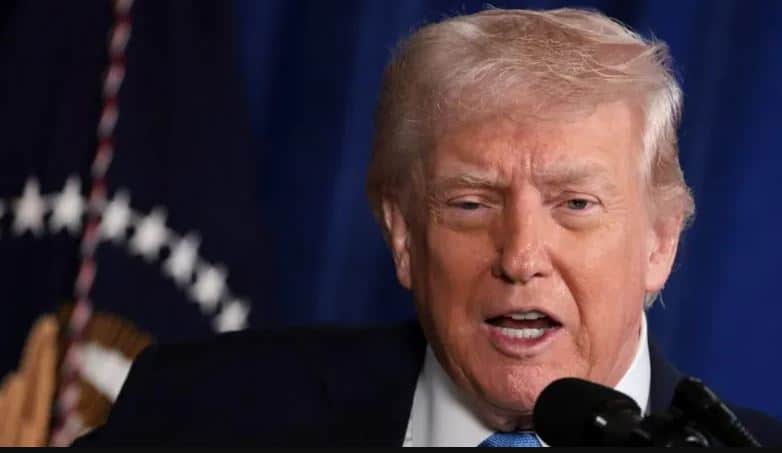
US President Donald Trump has issued a sharp warning to Venezuela’s incoming leader, Delcy Rodríguez, saying she could “pay a very big price, probably bigger than Maduro” if she fails to comply with US expectations. His remarks come at a highly volatile moment, with Nicolás Maduro, Venezuela’s long-time leader, set to appear in a New York court on charges related to drug trafficking and weapons offences.
The comments, made in an interview with The Atlantic, underline the aggressive posture Washington has adopted following a dramatic US military and law-enforcement operation that led to Maduro’s arrest and transfer to the United States.
Maduro in Custody, Facing Serious Charges
Maduro, who has ruled Venezuela since 2013, is accused by US authorities of running what they describe as a “narco-terrorist” regime. He has repeatedly denied the allegations, claiming Washington is using the “war on drugs” as a pretext to remove him from power and gain control of Venezuela’s vast oil reserves.
The former president and his wife, Cilia Flores, were captured during a pre-dawn operation that included strikes on military bases in Caracas. They are now being held in a federal detention facility in New York and are expected to appear in court on Monday.
Rodríguez Takes Office Amid Tension
Delcy Rodríguez, who previously served as Maduro’s vice president, is backed by Venezuela’s Supreme Court and the military. She is set to be sworn in as president in Caracas on Monday morning.
At her first cabinet meeting, Rodríguez struck a conciliatory tone, inviting the United States to cooperate on a development-focused agenda grounded in international law. Her message appeared aimed at de-escalating tensions, even as Trump suggested that “regime change, anything you want to call it,” would be preferable to Venezuela’s current situation.
US Defends Operation, Democrats Cry Foul
US Secretary of State Marco Rubio has insisted the United States is not at war with Venezuela, framing the operation as a law-enforcement action against drug trafficking organisations rather than an invasion.
However, several senior Democratic lawmakers strongly disagreed. House Minority Leader Hakeem Jeffries called the operation an “act of war,” citing reports of extensive military involvement, including special forces, aircraft, and naval assets. Senate Minority Leader Chuck Schumer also questioned the legality of the action, warning against repeating past US failures in regime change and nation-building.
Democratic leaders have vowed to support legislation that would block any further US action in Venezuela without congressional approval.
Regional Fallout and Global Concerns
The operation has already had regional repercussions. Cuba, a long-time ally of Maduro, announced two days of national mourning, claiming that dozens of Cuban combatants were killed during the US action. Trump has also escalated rhetoric against Colombia, refusing to rule out military action and accusing its leadership of enabling drug trafficking.
Analysts warn that the precedent set by this intervention could reshape how powerful nations justify unilateral action against governments they deem illegitimate.
What Comes Next for Venezuela?
Despite Maduro’s arrest, many of his allies remain in positions of power within Venezuela. The United States has maintained a “quarantine” on Venezuelan oil and signalled it has multiple tools to pressure the new leadership.
As Rodríguez assumes office under intense international scrutiny, Venezuela stands at a crossroads, caught between promises of cooperation, threats of further US action, and deep internal divisions that will shape the country’s future.
About the Author